photography
how hard could it possibly be?
00
problem
When I ran Studio Luidspreker, we had a motto: how hard could it possibly be? A client would ask for something we'd never done before, and we'd say yes. Then we'd figure it out. That's how photography and videography became part of the business — I'd been behind a camera for years, mostly analog, mostly for myself. I knew the craft. So we started taking those assignments on.What I didn't see coming was that the work started eating the hobby. People had opinions about my shots. Photos had to align with briefs, with stakeholders, with rules. For design and creative direction, that's exactly the conversation I want to have. For the photography that lived in my own head, it wasn't. The thing that was only ever made by me, for me, started feeling like it belonged to someone else.
solution
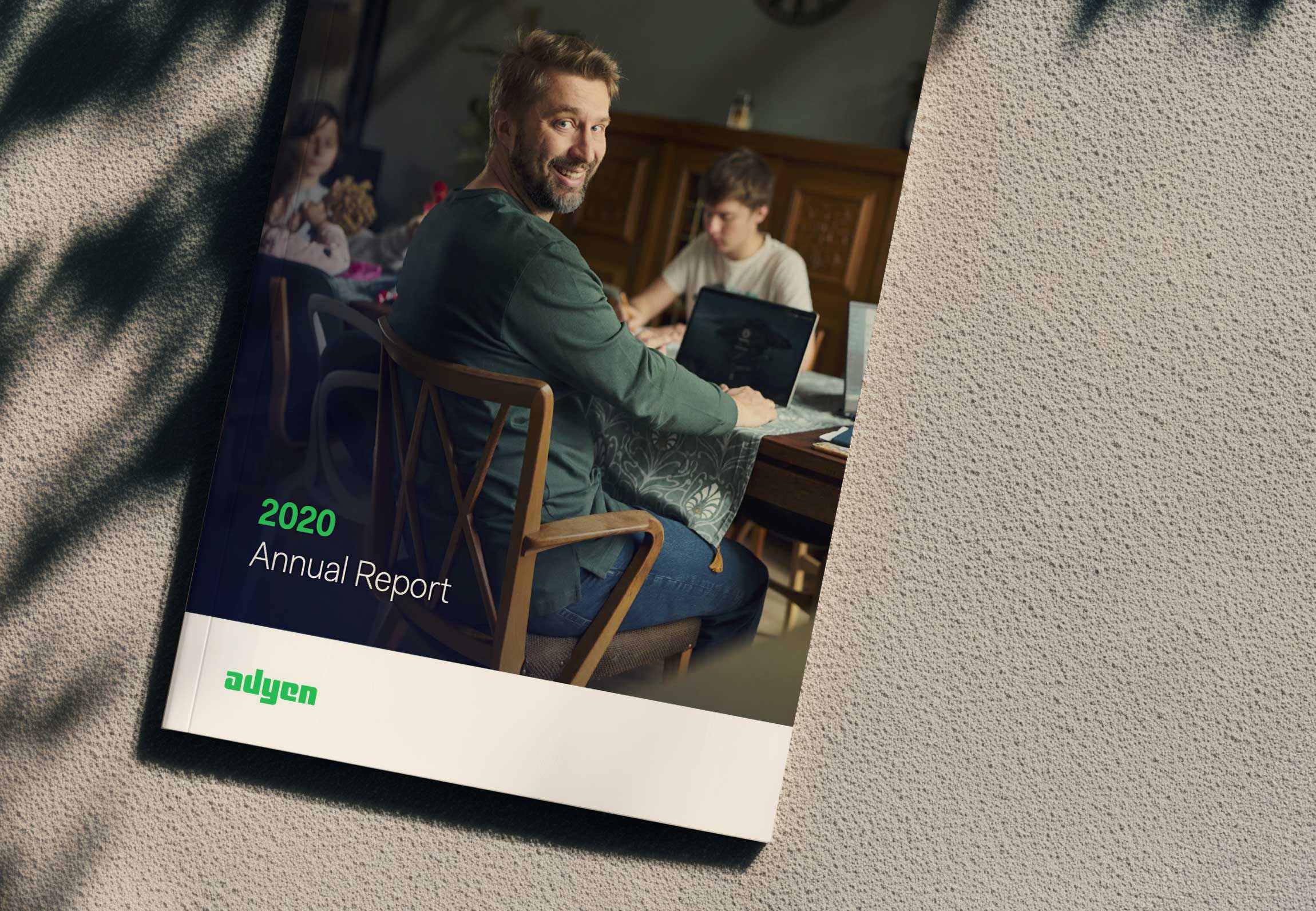
When I left the studio and joined Adyen, I found a way to put the photography back in its right place. Instead of being the photographer on the brief, I became the one shaping it. Art directing shoots. Speaking "client" to the room, and "technical" to the photographer. Thinking ahead about lighting, location, the shot list: solving problems before they slowed anyone down. That side of me grew fast. We built shoots that were sharper, briefed better, and ran more efficiently than anything I could have done alone with a camera in my hand.And the hobby came back. Quietly, on the side. When I travel — sometimes for work, mostly for myself — the camera comes too. I wander cities, look around, take in what's there. There's nothing I love more than walking a place I don't know and finding the thing that other people walked past. Two parallel tracks. One feeds the other. The work I direct is shaped by knowing what it feels like to be the one holding the camera. The photos I take for myself are shaped by years of working out what a frame actually needs to do. Neither would be as good without the other. Both stay in the right place — the work belongs to the work, and the hobby belongs to me.
The motto from Luidspreker still runs through everything I do, but it took a while to learn its limits. How hard could it possibly be is a great answer to a client. It's not always a great answer to yourself.
When I was shooting professionally, I was good at it. I delivered. People paid for it. But somewhere in the middle of nailing the technical side, I lost what made me pick up a camera in the first place — which was that nobody was waiting for the result, and the result didn't need to be anything. The freedom to take a photo of nothing in particular, because something about that wall, that corner, that piece of light caught me. That part doesn't survive a brief.
The shift at Adyen wasn't planned. I just noticed I could be useful on shoots in a way most art directors couldn't, because I understood both sides of the camera. Photographers liked working with me because I'd shoot the test frame myself if it helped. Clients liked working with me because I could translate craft decisions into business reasons. That overlap turned into a real skill — and quietly, it gave me my hobby back. The camera stopped feeling like a tool I owed something to.
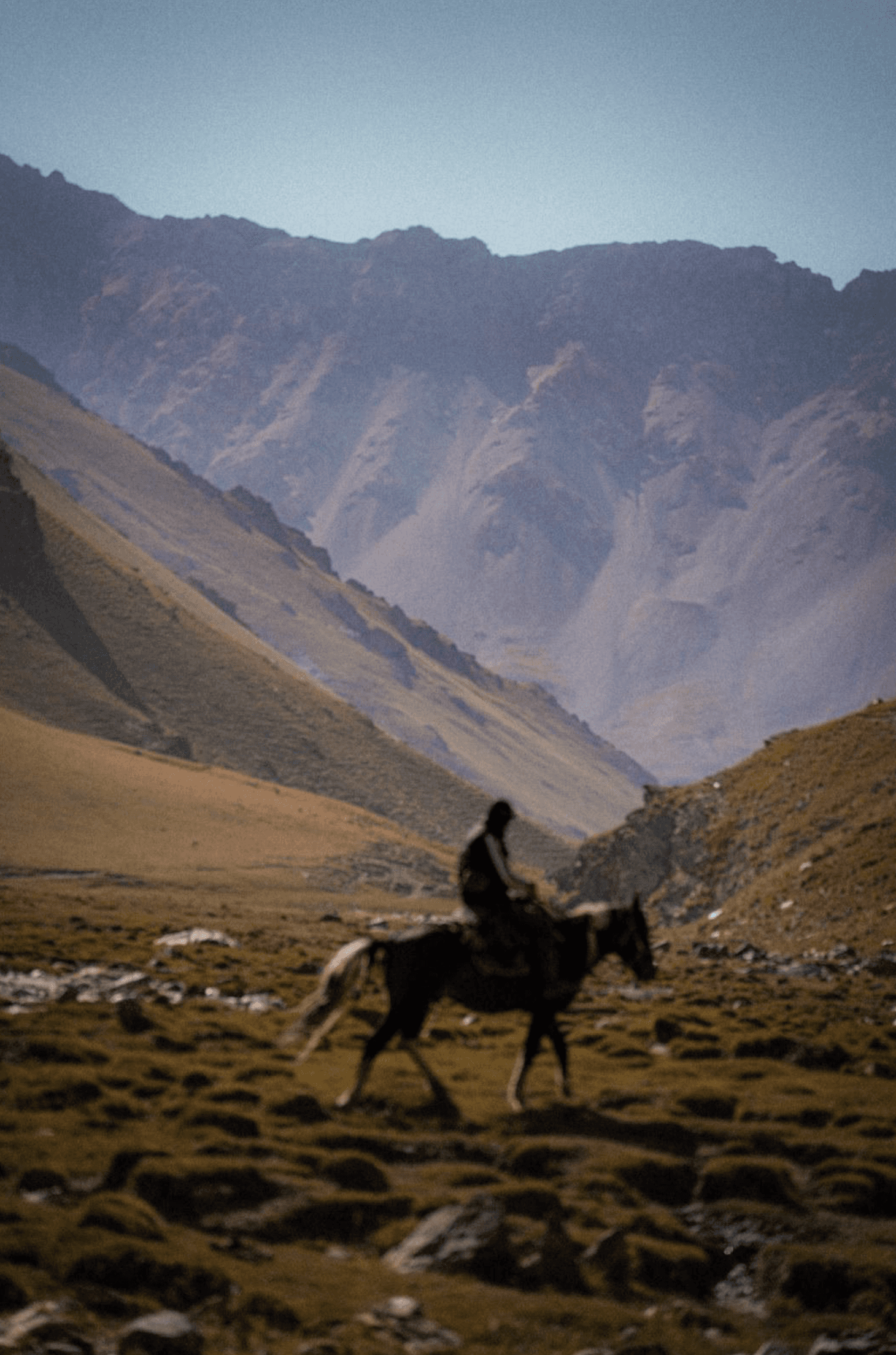
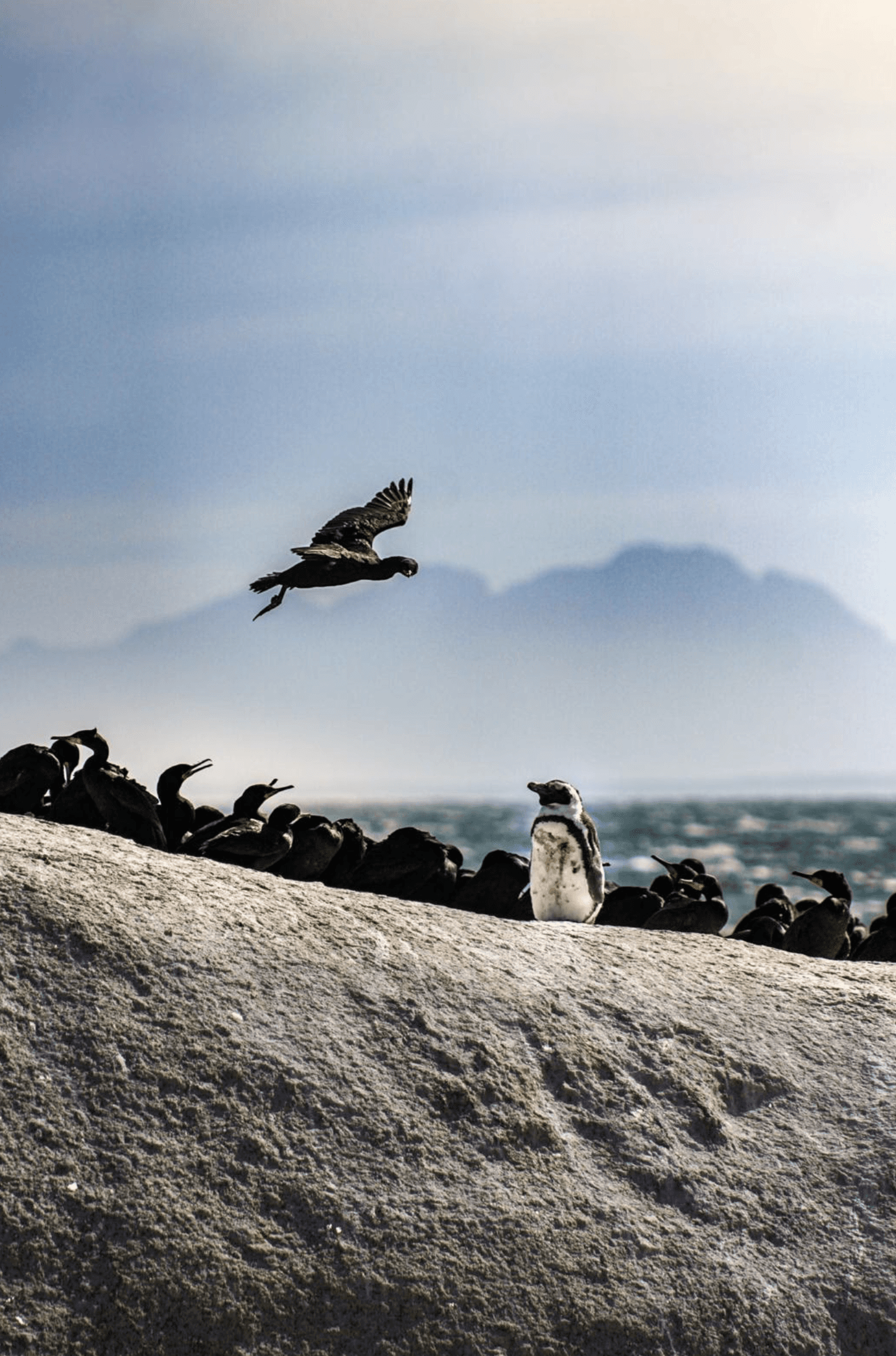
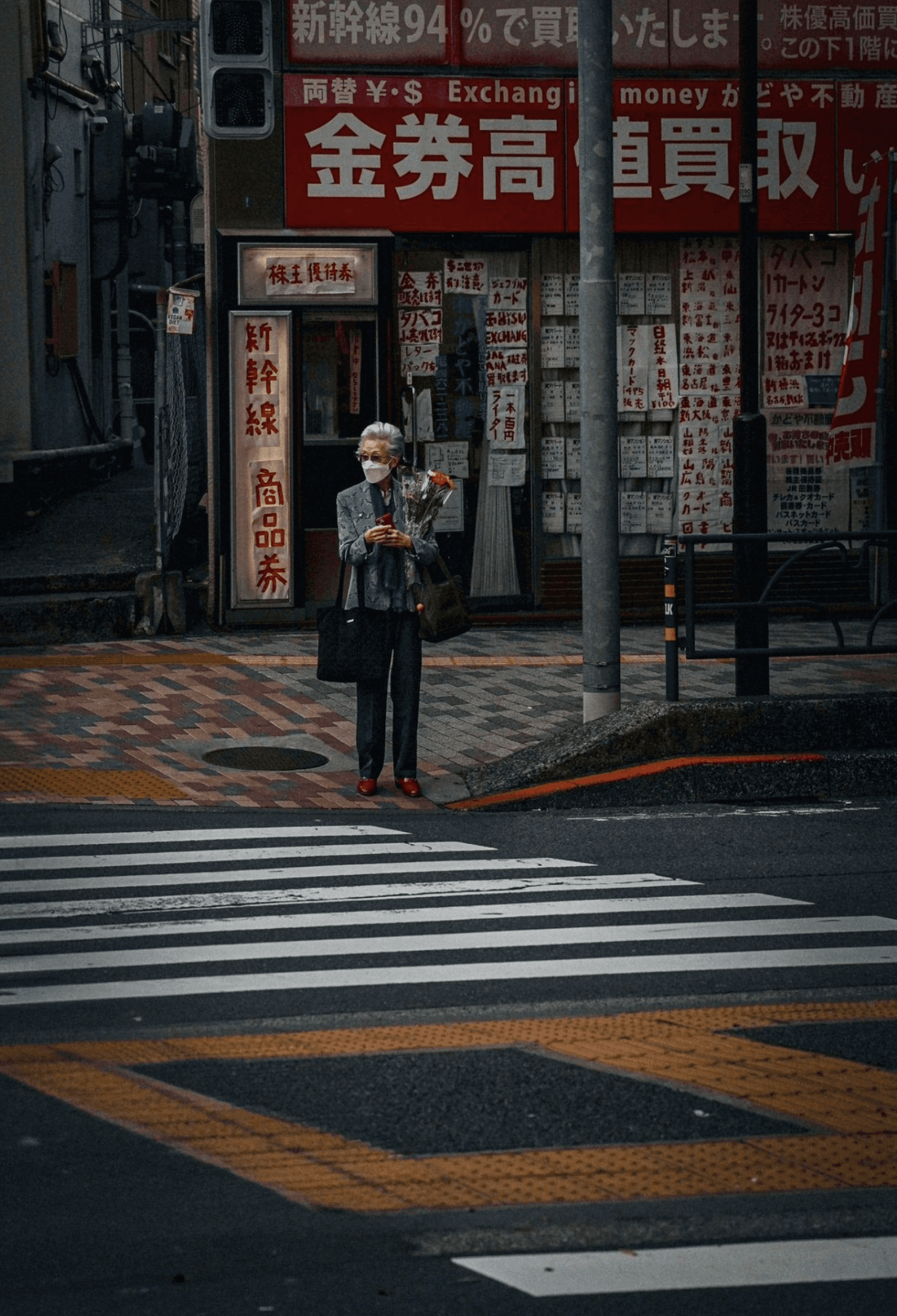
These days I shoot when I want, what I want, and I keep most of it for myself. Some of it ends up here. Most of it doesn't.
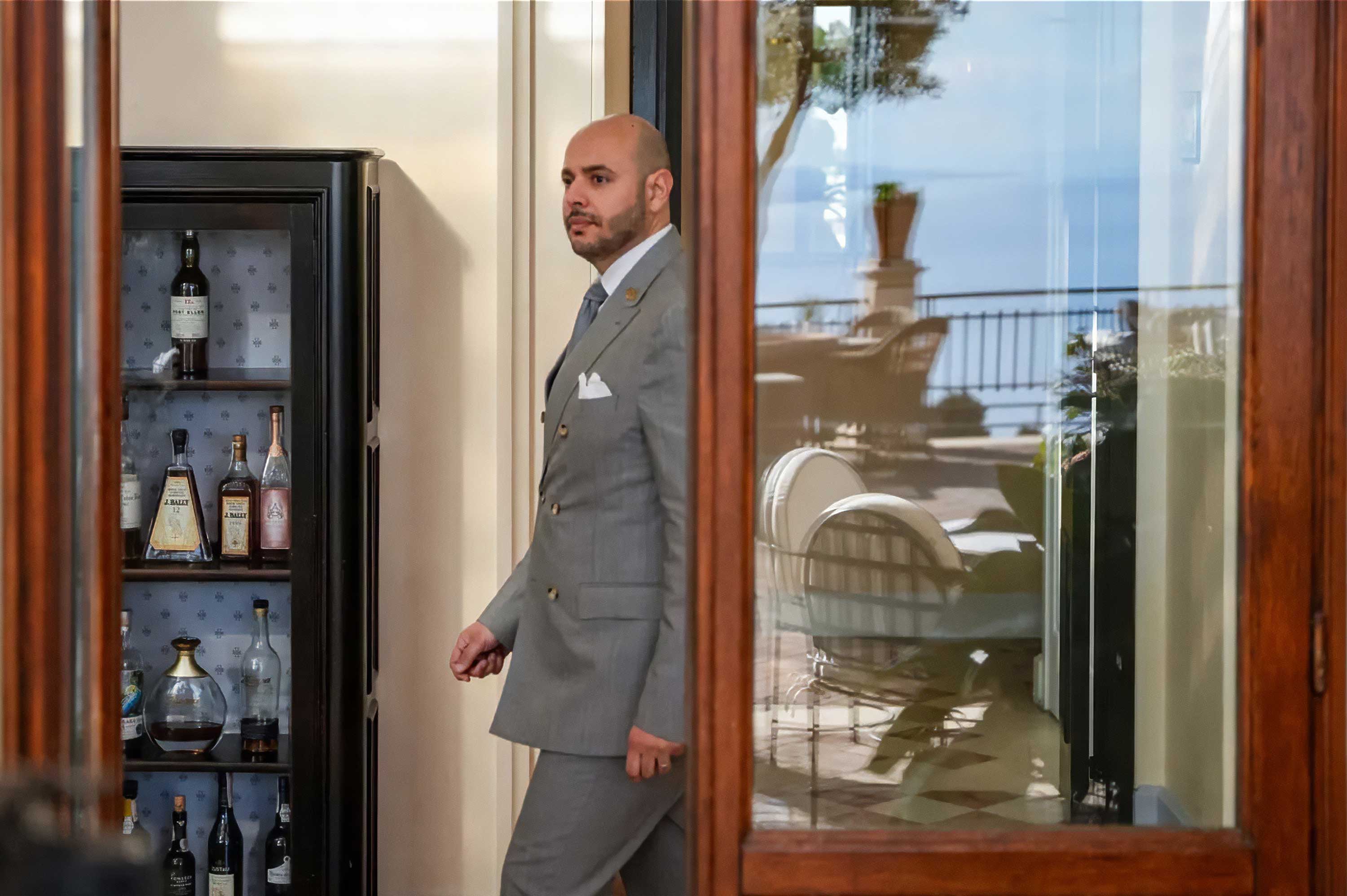
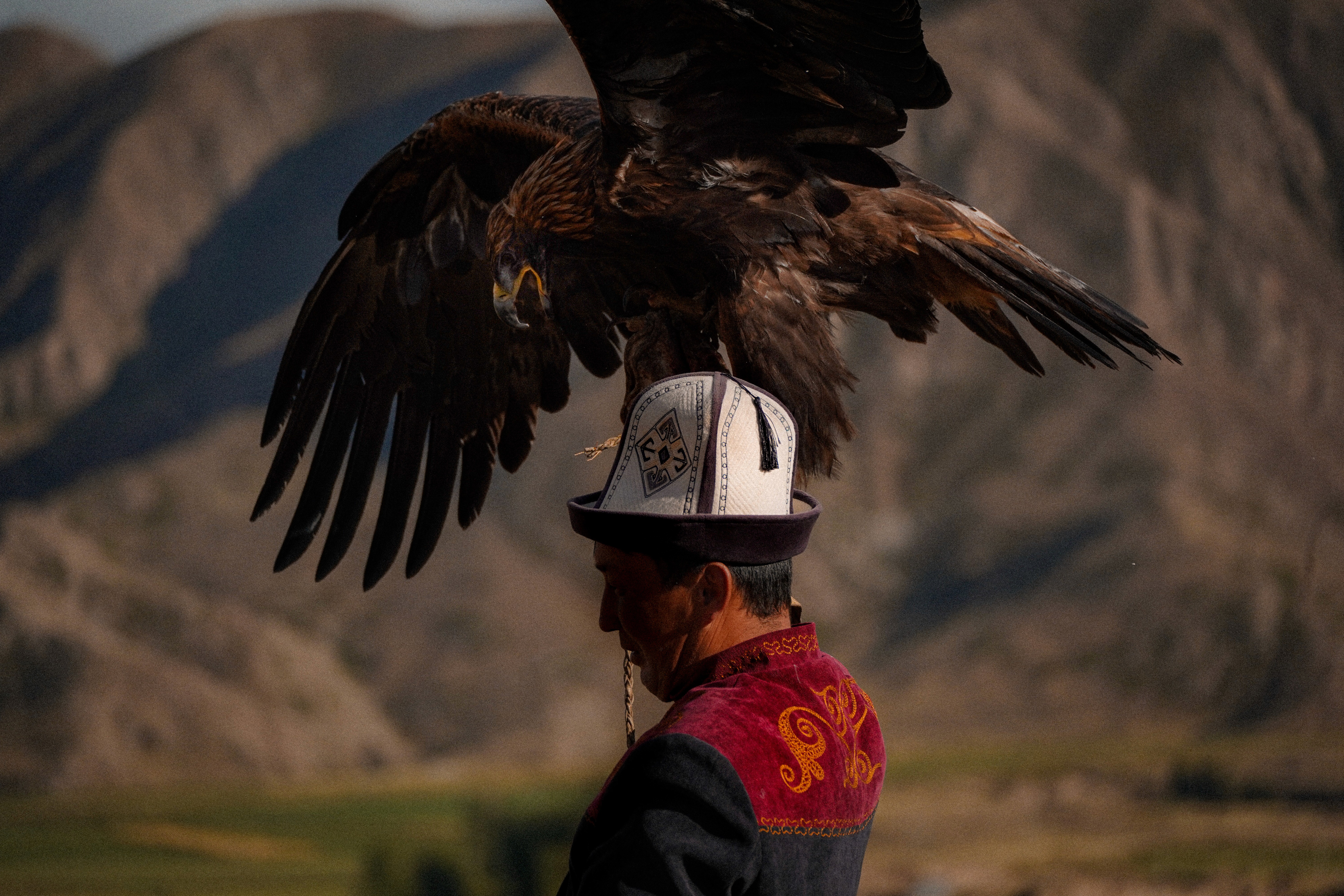
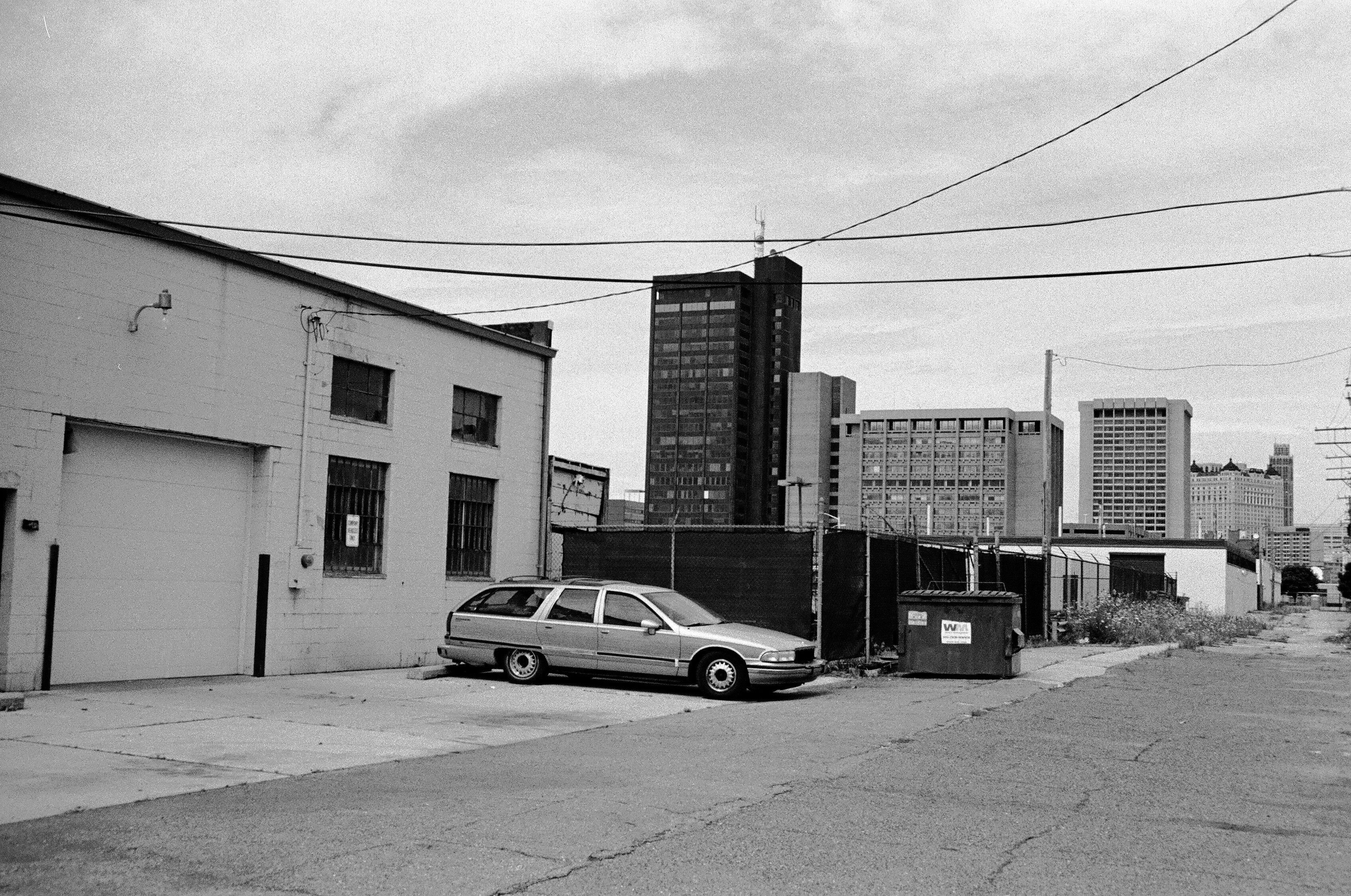
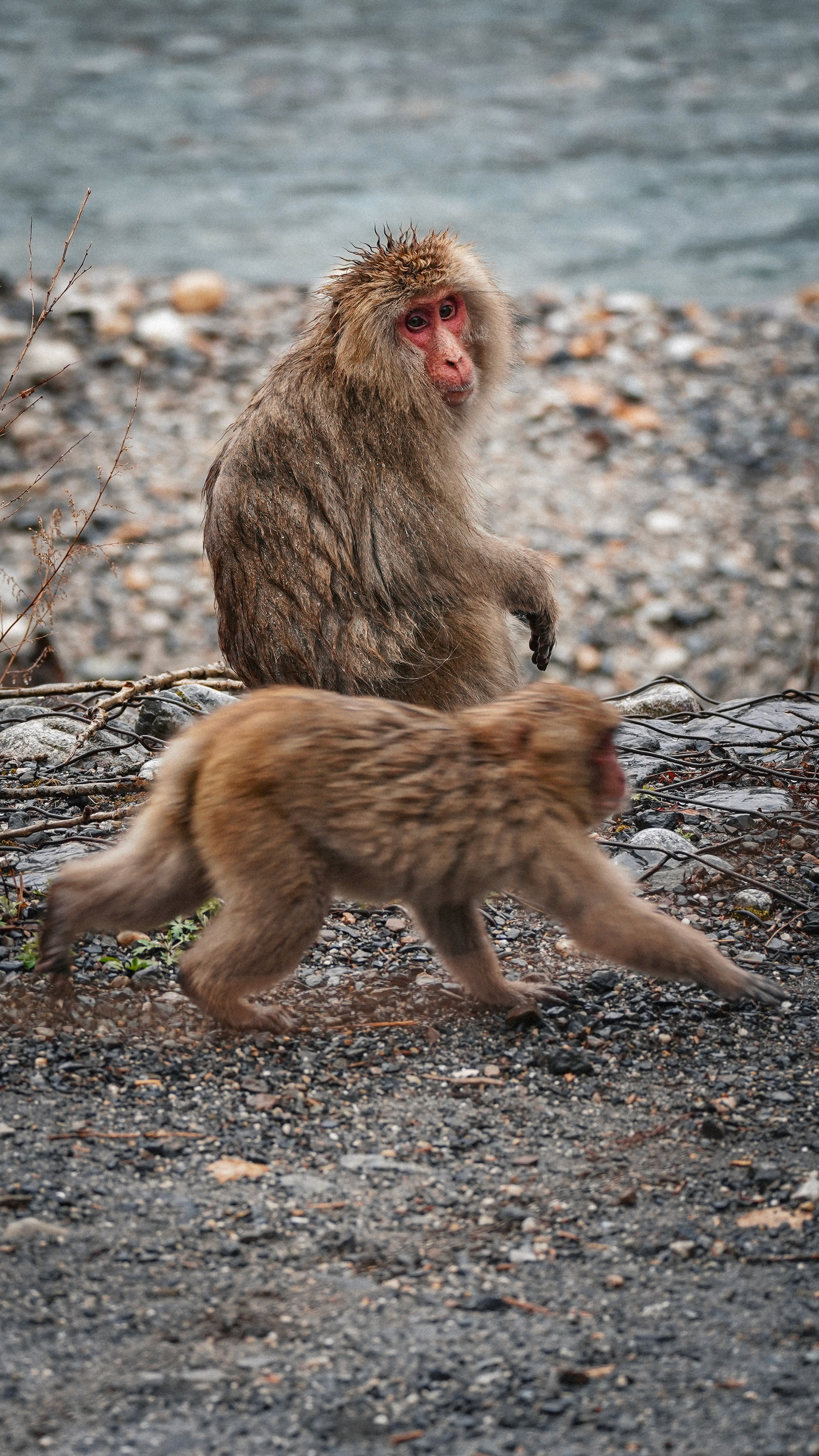
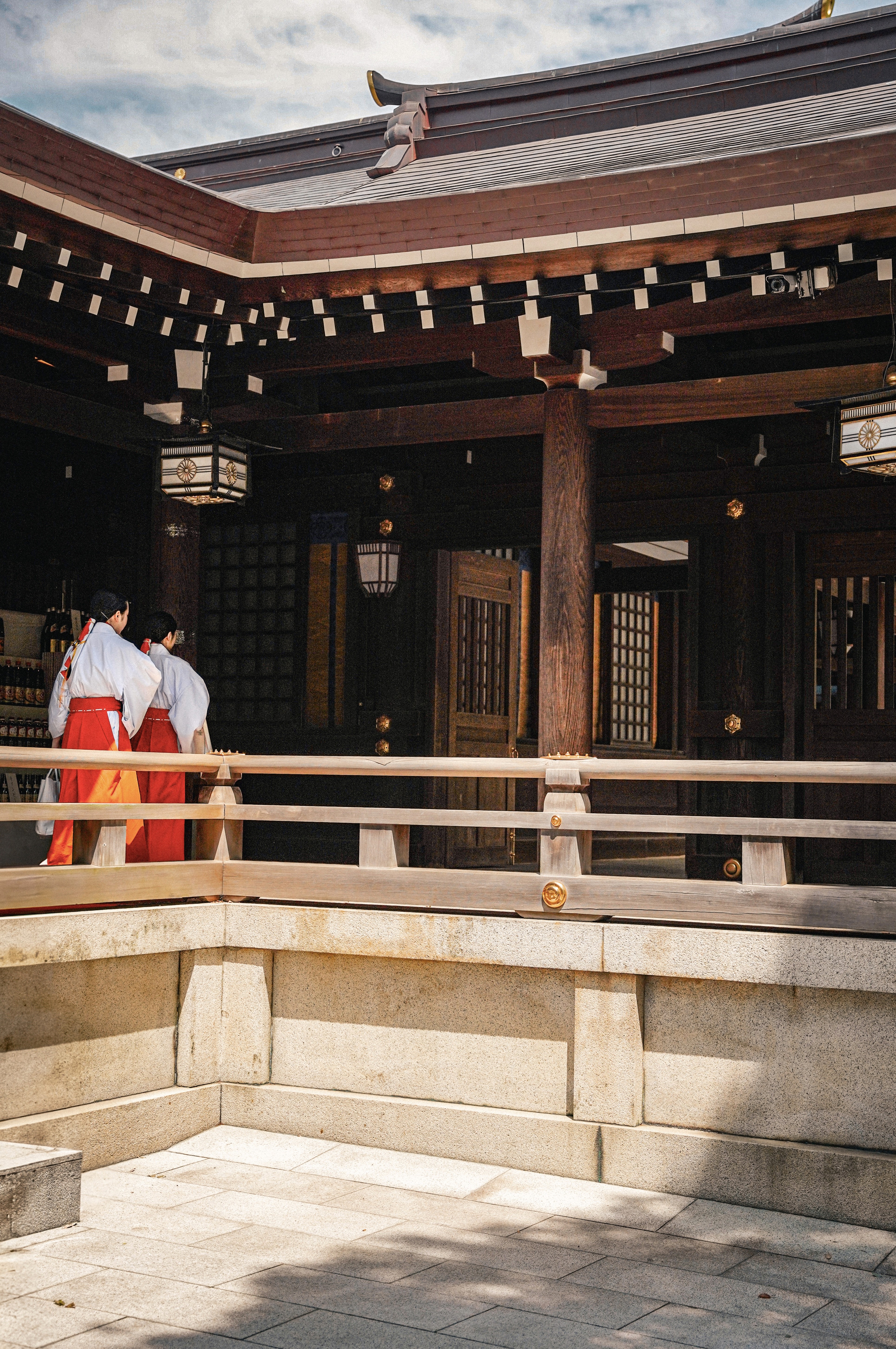
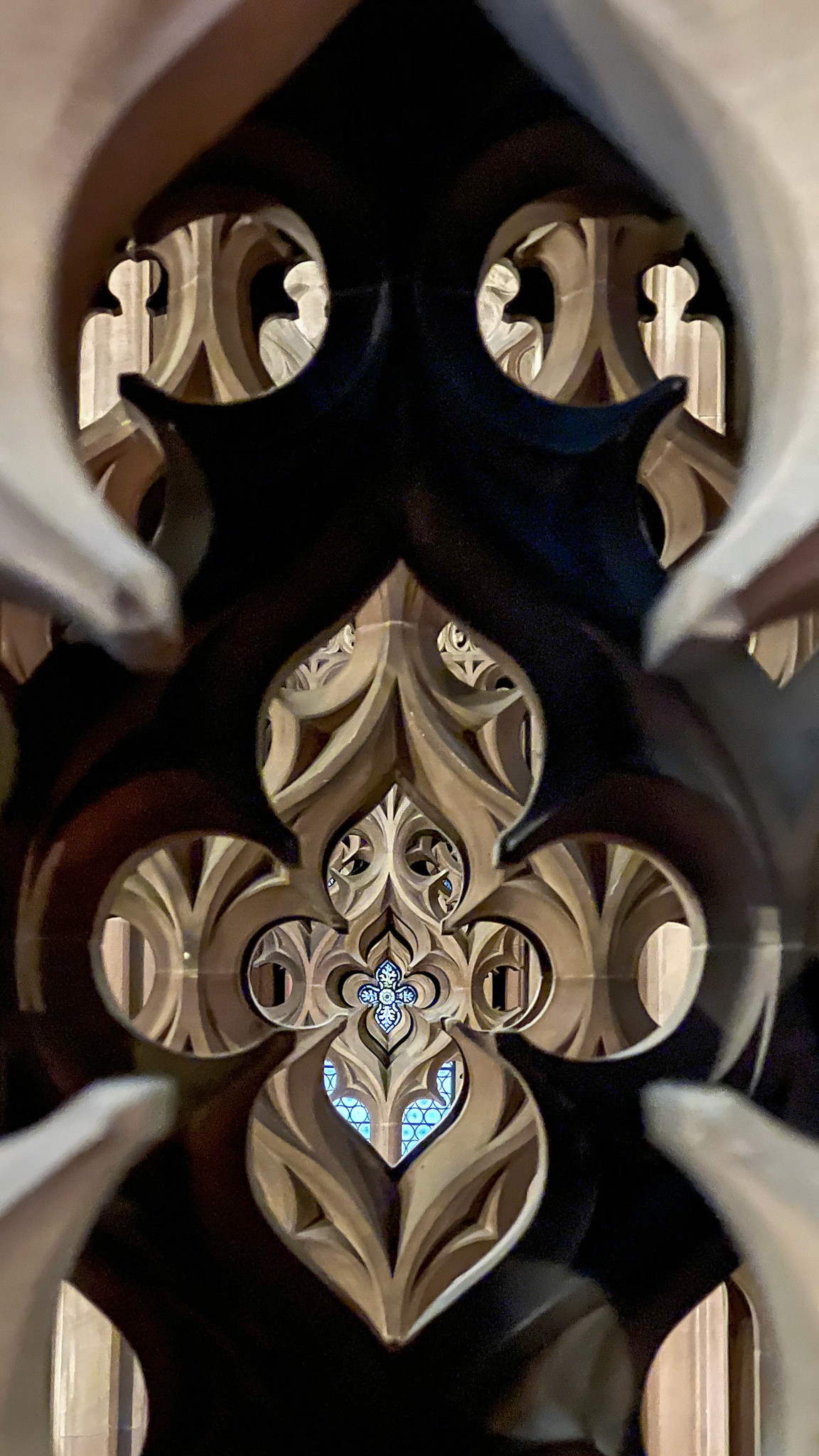
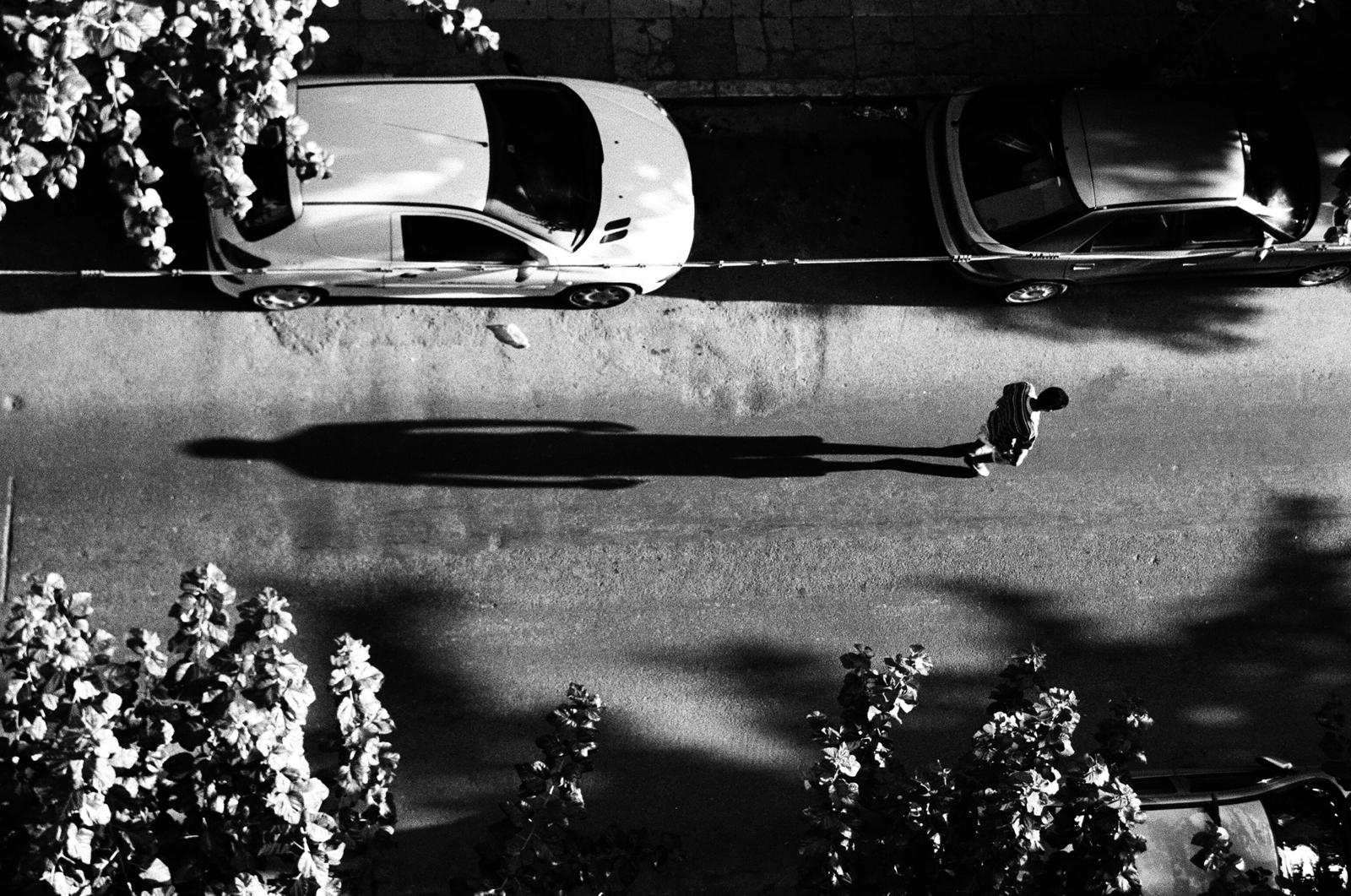
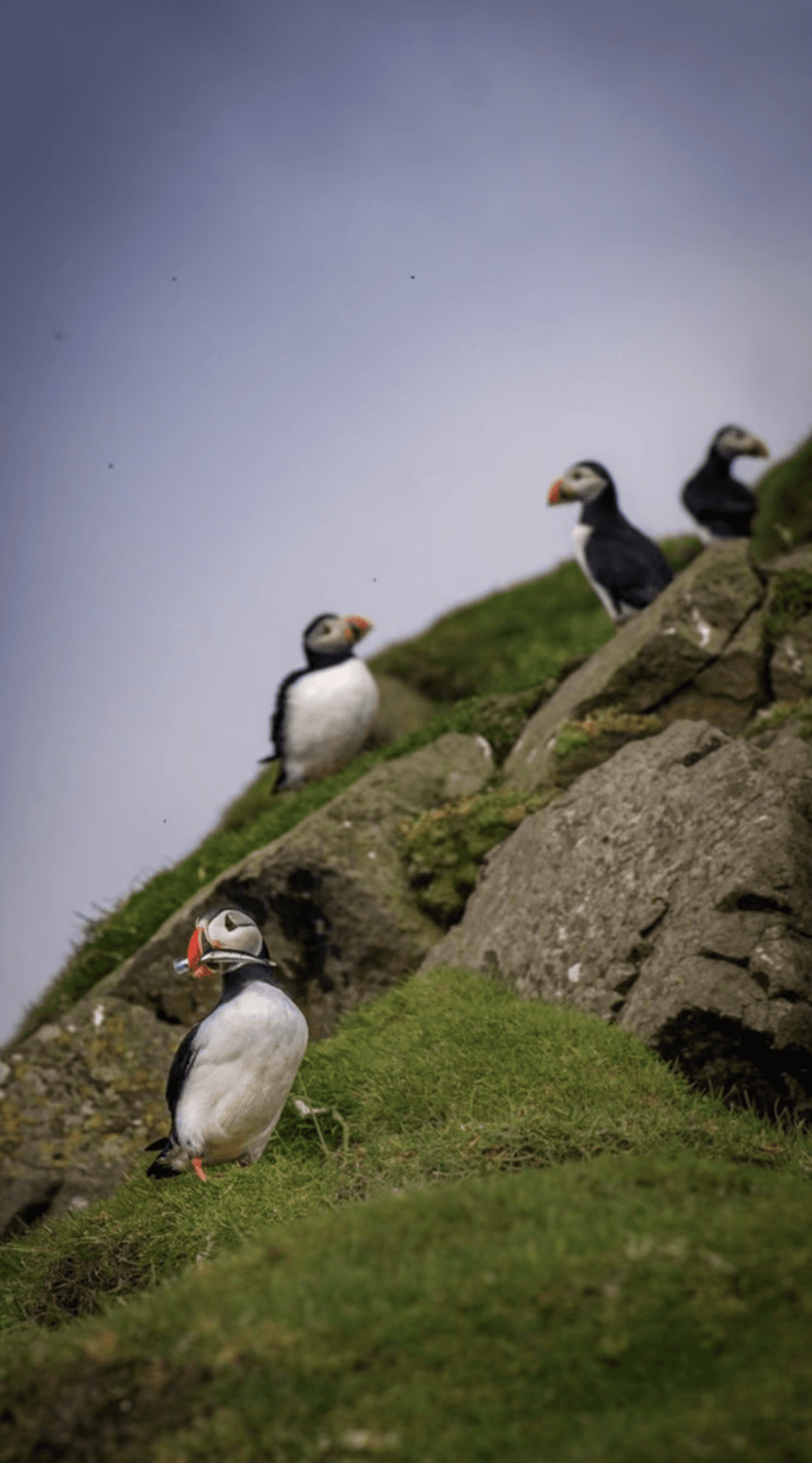
The work in this section is whatever felt worth keeping.
year
2007 - now
category
Art direction
01
02
03
04
05
06
07
08
09
010